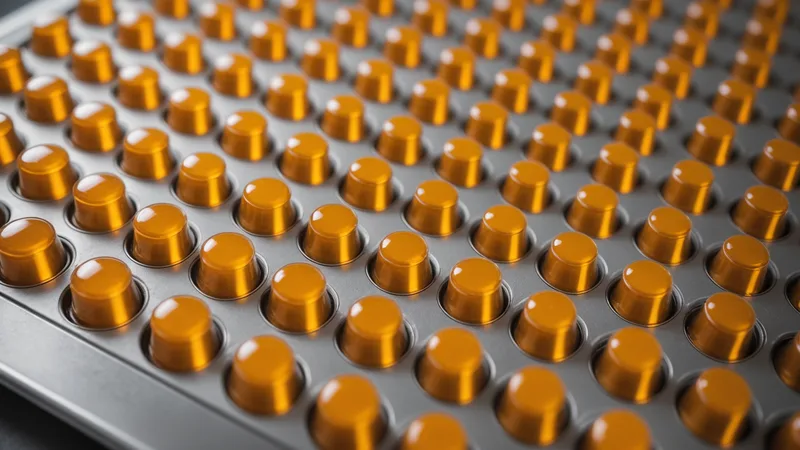
Manufacturing
Flexible batch sizes for supplement brands
A 10,000-unit MOQ can leave growing supplement brands with excess inventory. Flexible scheduling makes smaller validation batches practical.
For supplement brands: GMP systems, formulation, analytical testing, and export documentation.
A 10,000-unit MOQ can leave growing supplement brands with excess inventory. Flexible scheduling makes smaller validation batches practical.

A 500-unit nutraceutical batch still needs traceable GMP records. Review the documentation, sampling, retain, and export considerations.
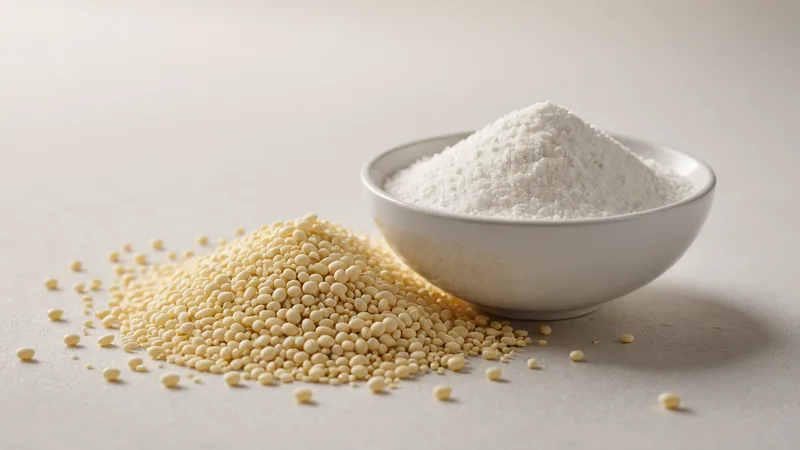
Capsules and powder blends solve different packaging and usage problems. Here is a practical way for founders to choose between them.
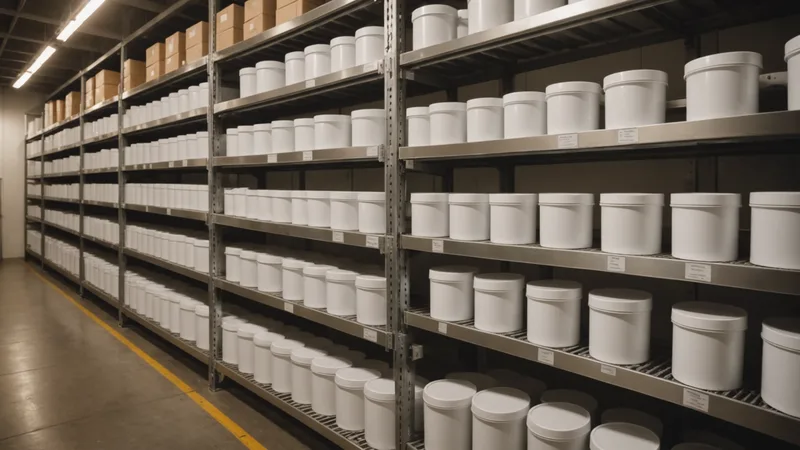
See how a formula moves through review, sourcing, scheduling, production, testing, and shipment at Leumas.
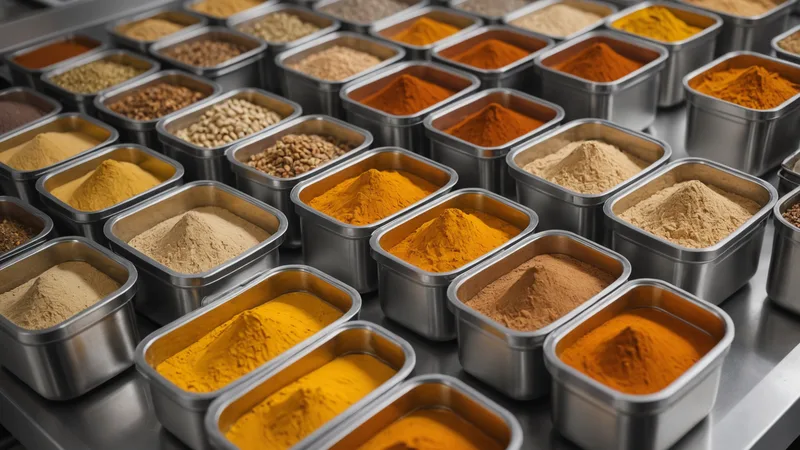
Three SKUs can mean three separate setup cycles on a fixed line. Grouping compatible formulas may reduce repeated cleaning, scheduling work, and launch delays.
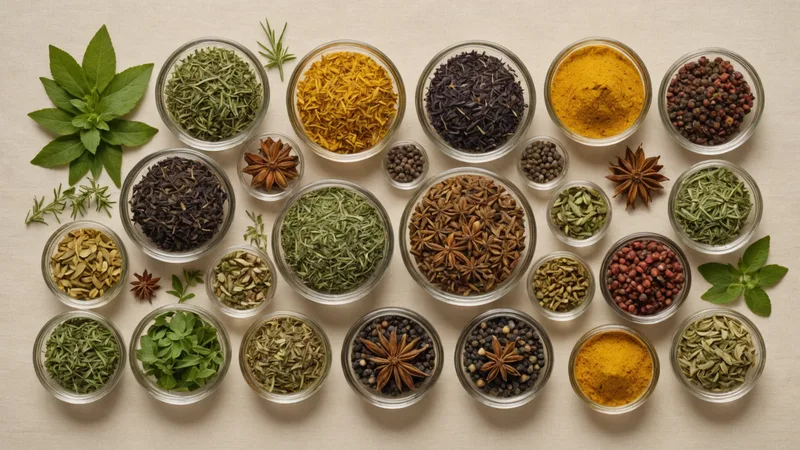
A practical look at how supplier CoAs, incoming checks, and batch records connect nutraceutical ingredients to finished products.
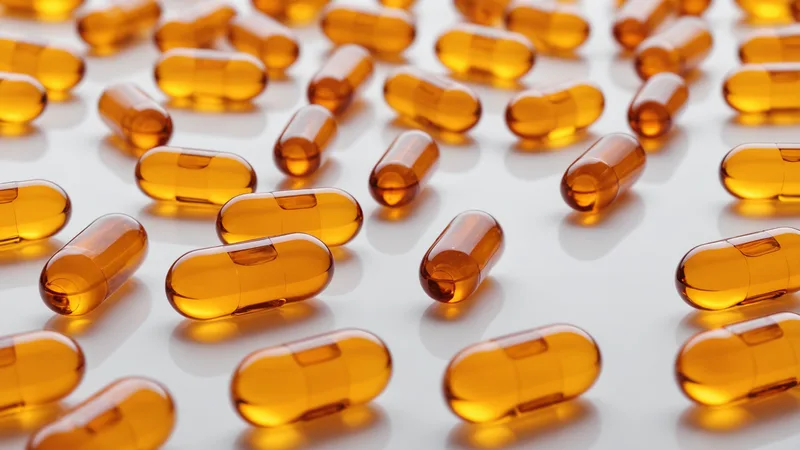
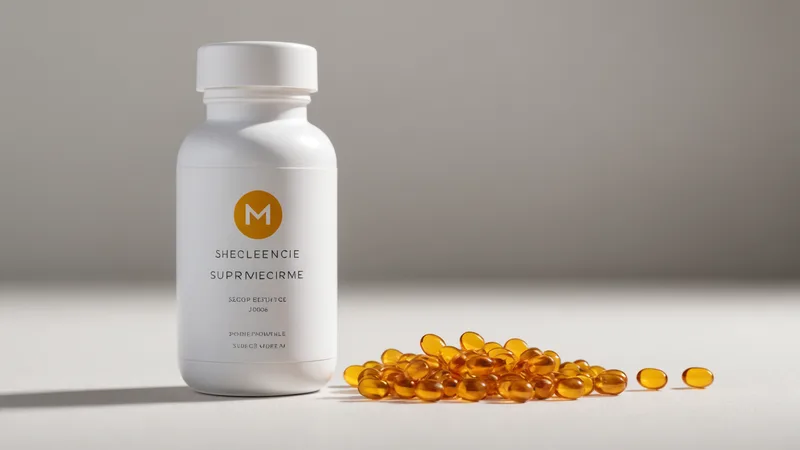
Oil and liquid fills usually point to softgels, while dry blends fit hard capsules. The right choice also depends on compatibility, batch size, cost, and timing.

From incoming materials to finished-goods release, each analytical test answers a different quality question before a supplement batch ships.
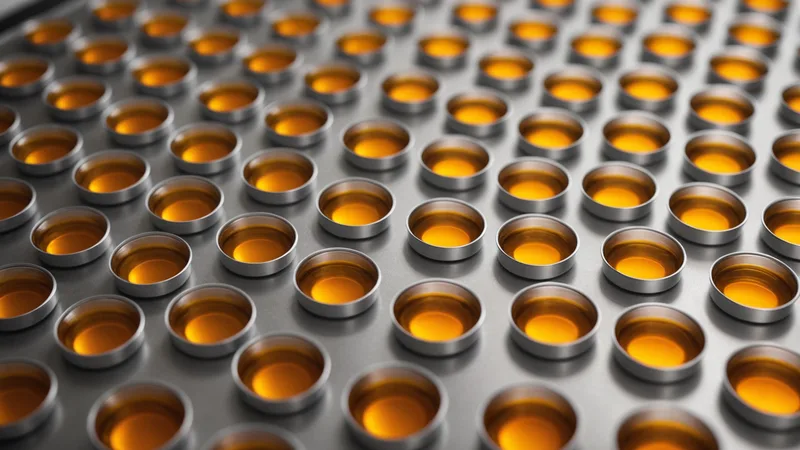
Compare 500-unit pilots with larger MOQ tiers, then use sell-through and packaging needs to decide when a supplement brand should scale.

India's nutraceutical exports passed USD 4 billion in 2024, giving small supplement brands more Indian CDMO options for cost-conscious export production.
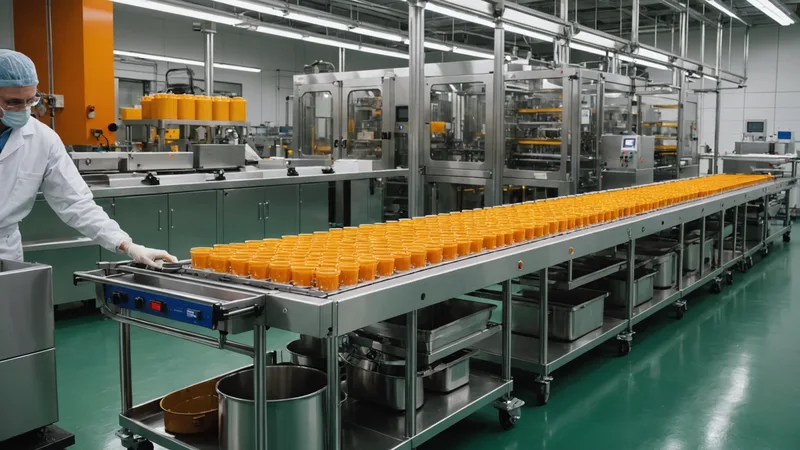
Shared-equipment scheduling groups compatible supplement batches, so changeover work is considered alongside equipment use and delivery timing.
A CDMO can handle the production records, quality work, and manufacturing coordination that a supplement founder cannot cover with a factory of their own.